

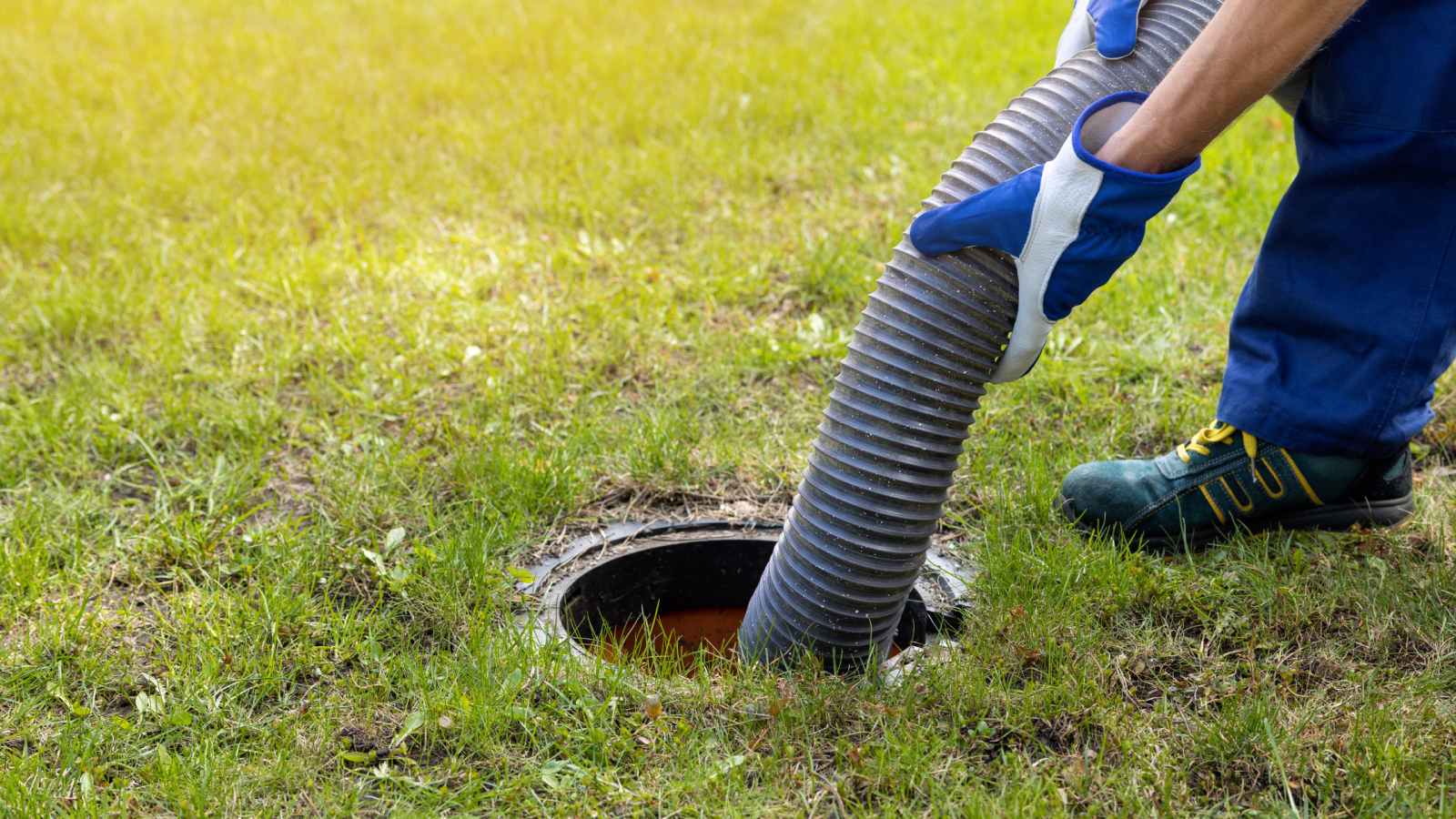
As the new year begins, many homeowners start thinking about routine maintenance projects they may have put off. While septic systems often fall into the “out of sight” category, regular pumping is one of the most important things you can do to protect your home, your yard, and your wallet.
So how often should you really pump your septic tank? The answer depends on several factors—but understanding the basics can help you avoid costly repairs and unexpected backups.
The General Rule: Every 3 to 5 Years
For most homes, septic tanks should be pumped every three to five years. This guideline works well for average-sized households with normal water usage. Pumping removes the solid waste that naturally builds up over time and prevents it from entering the drain field, where it can cause serious damage.
However, this is only a starting point. Many homeowners need pumping more frequently based on how their system is used.
What Affects How Often Your Septic Tank Needs Pumping?
Household Size
More people in the home means more water usage—and more waste entering the system. A family of five will usually need septic pumping sooner than a household of two.
Water Usage Habits
High water use puts added stress on your septic system. Long showers, frequent laundry loads, and heavy dishwasher use can all shorten the time between pumpings.
Garbage Disposal Use
Using a garbage disposal regularly sends extra solids into your septic tank. Homes with disposals often require more frequent septic pumping to prevent buildup.
Tank Size
Smaller septic tanks fill up faster. If your home has an older or undersized tank, sticking closer to the three-year mark is usually safer.
Vacation or Lake Homes
Seasonal properties—especially around Lake Wateree—often experience heavy use during certain times of the year. Even if the home sits empty part of the year, sudden spikes in usage can overload the system if pumping is skipped.
Signs Your Septic Tank May Be Overdue for Pumping
If you’re unsure when your septic tank was last pumped, watch for these common warning signs:
- Slow drains throughout the house
- Gurgling sounds in pipes
- Sewage odors inside or outside
- Standing water or soggy spots near the drain field
Ignoring these signs can lead to backups, drain field failure, or emergency repairs.
Why Regular Septic Pumping Matters
Routine septic maintenance isn’t just about preventing messes—it’s about protecting your entire system. Pumping on schedule helps:
- Extend the life of your septic system
- Prevent clogs and backups
- Protect the drain field from costly damage
- Save money by avoiding emergency service calls
Replacing a drain field is far more expensive than routine pumping.
Start the Year With a Septic Maintenance Plan
January is a great time to establish a septic pumping schedule for the year ahead. If you don’t know when your tank was last serviced, now is the perfect time to have it inspected and pumped if needed.
At FJ Rabon, we’ve been helping homeowners in Kershaw County, Lake Wateree, and surrounding areas maintain healthy septic systems for decades. Whether it’s routine pumping, inspections, or emergency service, our team is here to help you start the year with confidence.
Not sure if your septic tank is due? Contact FJ Rabon today and let us help you get on the right schedule.